






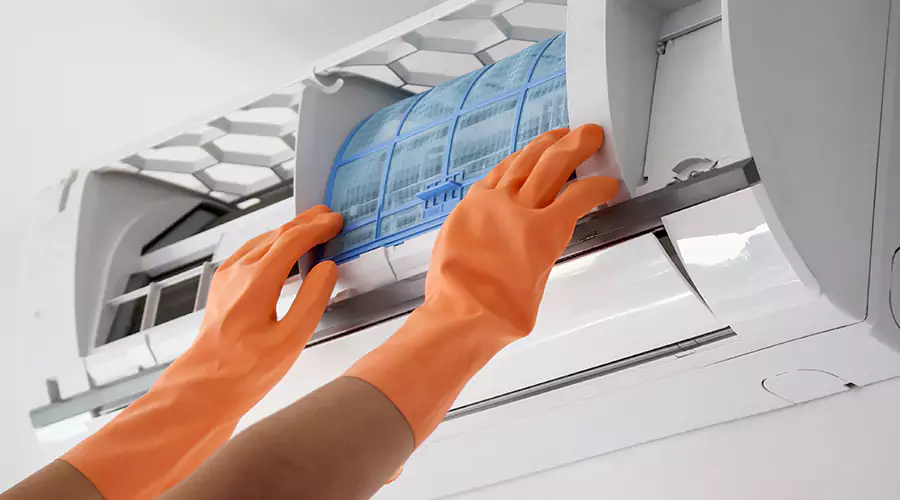
Changing your HVAC air filter is one of the easiest and most important home maintenance tasks. A clean filter helps trap dust, pollen, pet dander, lint, and other particles before they move deeper into the heating and cooling system. It can also support better airflow and help the HVAC system run more efficiently.
However, changing the air filter is not always enough to solve dust, odor, airflow, or indoor air quality problems. If your home still feels dusty, certain rooms have weak airflow, vents smell musty, or filters get dirty too quickly, there may be a deeper issue inside the air ducts or HVAC system.
Understanding why filter changes are not always enough can help homeowners know when to schedule air duct cleaning, air duct leak repair, or a full HVAC inspection.
What an Air Filter Actually Does?
An HVAC air filter is designed to capture particles from the air before they enter the system. It helps protect HVAC components and can reduce the amount of dust moving through the home.
A filter may capture:
- Dust
- Pollen
- Pet dander
- Lint
- Hair
- Dirt particles
- Some airborne debris
A filter is important, but it only works on air that passes through it correctly. If air bypasses the filter, ducts are leaking, or dust is already inside the ductwork, changing the filter will not fully solve the problem.
Dirty Ducts Can Still Circulate Dust
If dust and debris have already built up inside the ductwork, a new filter will not remove that existing buildup. Every time the HVAC system runs, air may pass over dusty duct surfaces and carry particles into your rooms.
This is why some homeowners change filters regularly but still see dust around vents or furniture.
Signs of dirty ductwork may include:
- Dust blowing from vents
- Dirty vent covers
- Dust returning quickly after cleaning
- Visible debris inside duct openings
- Musty or stale smells from vents
- Dusty return grilles
In this case, professional air duct cleaning may be needed to remove buildup from inside the ducts.
Leaky Ducts Can Pull in Dust
A clean filter cannot fix leaky ductwork. If ducts have gaps, loose joints, holes, or disconnected sections, they may pull dusty air from attics, crawl spaces, basements, garages, or wall cavities.
This is especially common with return duct leaks. Return ducts pull air back into the HVAC system. If they leak in dusty spaces, unfiltered air can enter the system and move through the home.
Leaky ducts can bring in:
- Attic dust
- Insulation particles
- Crawl space odors
- Pest debris
- Dirt from wall cavities
- Garage air
- Moisture or musty smells
If duct leaks are the source of the dust, air duct repair or duct sealing is needed. Replacing the filter alone will not stop outside dust from entering the duct system.
The Filter May Not Fit Properly
Sometimes the issue is not how often the filter is changed. The problem may be that the filter does not fit correctly. If the filter is too small, loose, bent, or installed incorrectly, air can move around it instead of through it.
When this happens, dust can bypass the filter and enter the HVAC system.
Common filter problems include:
- Wrong filter size
- Filter installed backward
- Loose filter slot
- Gaps around the filter
- Bent or damaged filter
- Low quality filter that does not capture enough particles
A technician can check whether the filter fits properly and whether the filter type is suitable for your system.
Filters Cannot Fix Weak Airflow From Damaged Ducts
A dirty filter can reduce airflow, but if you replace the filter and airflow is still weak, another problem may be present. Weak airflow from certain vents may be caused by damaged, crushed, disconnected, or poorly designed ductwork.
Air duct repair may be needed if:
- One room has weak airflow
- Some vents barely blow air
- Ducts are crushed or sagging
- Duct sections are disconnected
- Air leaks before reaching the room
- Rooms stay hot or cold even when HVAC runs
A filter change can help the system breathe better, but it cannot reconnect ducts or repair damaged sections.
Filters Do Not Remove Moisture Problems
Musty smells from vents are often connected to moisture. A clean filter may help reduce dust, but it will not fix water, condensation, mold, or humidity problems.
Moisture problems may come from:
- Clogged condensate drain lines
- Dirty evaporator coils
- Poor duct insulation
- Duct leaks pulling damp air
- High indoor humidity
- Water damage near ductwork
- Damp crawl spaces or basements
If the vents smell musty, the source should be inspected. The issue may require HVAC maintenance, duct cleaning, duct repair, dehumidification, or mold related cleaning.
Filters Cannot Remove Pest Contamination
If pests have entered the duct system, changing the filter will not remove droppings, nesting material, hair, odors, or debris inside the ductwork. Rodents and insects can sometimes enter ducts through damaged sections, gaps, or disconnected areas.
Pest related duct problems may cause:
- Bad odors from vents
- Scratching sounds near ducts
- Debris blowing from vents
- Droppings near registers
- Weak airflow
- Torn duct insulation
- Pest activity in attics or crawl spaces
In this situation, you may need pest control, air duct cleaning, sanitizing, and duct repair.
Filters Get Dirty Fast for a Reason
If your filter gets dirty quickly, do not just keep replacing it without asking why. Fast filter buildup may point to a larger problem.
Common reasons filters get dirty too fast include:
- Heavy dust inside the home
- Pets that shed often
- Leaky return ducts
- Remodeling dust
- Dirty ductwork
- Poor filter fit
- HVAC system running constantly
- Dusty attic or crawl space air entering the system
Frequent filter changes may help temporarily, but the source of the heavy dust should be found.
When Air Duct Cleaning May Be Needed?
Air duct cleaning may be helpful when the duct system contains visible dust, debris, pet hair, construction dust, pest debris, or odor causing buildup. It is especially useful when the dust problem continues after regular filter changes.
You may need air duct cleaning if:
- Dust comes from vents
- Duct openings look dirty
- Musty smells come from vents
- Your home was recently remodeled
- You have heavy pet hair buildup
- Pest debris is suspected
- Dust returns quickly after cleaning
A professional inspection can confirm whether cleaning is needed.
When Air Duct Repair May Be Needed?
Air duct repair may be needed when the duct system is damaged or leaking. Repair fixes physical problems that a filter cannot solve.
You may need air duct repair if:
- Airflow is weak in some rooms
- Ducts are loose or disconnected
- Ducts are crushed or torn
- Dust enters from attics or crawl spaces
- Energy bills are increasing
- Rooms stay too hot or too cold
- Musty odors come from leaky ducts
Repair helps stop air loss and prevents unwanted air from entering the system.
Final Thoughts
Changing your air filter is important, but it is not always enough. Filters help capture particles moving through the HVAC system, but they cannot remove dust already inside ducts, seal duct leaks, fix damaged ductwork, stop moisture problems, or remove pest contamination.
If your home stays dusty, vents smell musty, airflow feels weak, or filters get dirty too quickly, the duct system may need professional inspection. Air duct cleaning can remove buildup, while air duct repair can fix leaks, gaps, and damaged sections. Finding the real source helps improve airflow, comfort, and indoor air quality.